PREMIUM CAR WASH FOR LUXURY CARS
Premium car wash for luxury cars in Ahmedabad, using professional cleaning techniques to safely remove dirt, road grime, and surface contaminants while maintaining a clean, glossy finish.
EXPLORE DETAILS →
 Back to Services
Aftermarket aerodynamic kits, custom lightweight panels, and textured composite accents give a vehicle an unmistakable road presence. Across Ahmedabad, driving conditions present daily challenges to exterior vehicle surfaces. Intense ultraviolet exposure, summer heat consistently surpassing 40°C, airborne industrial dust along the SG Highway and SP Ring Road corridors, and high-mineral water quickly compromise unprotected exterior materials.
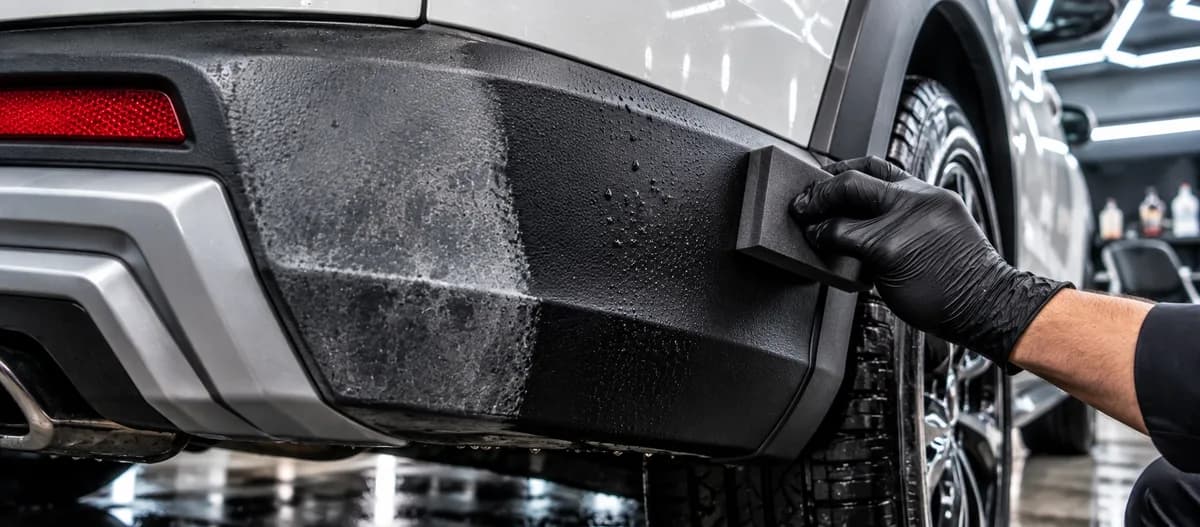
Without dedicated surface treatment, high-grade composites rapidly lose their rich factory finish. At MK29 Detailing Studio in Chharodi, our fibre part coating for car service delivers a dependable barrier formulated specifically for synthetic and composite automotive components. By bonding directly to porous composite structures and non-metal clear coats, our protective treatments restore color richness, slow down solar fading, and simplify routine maintenance.
Fibre components are widely utilized in automotive manufacturing and performance modification. Materials such as fiberglass-reinforced plastic (FRP), carbon-fibre composites, and specialized automotive polymers are engineered to reduce vehicle weight, enhance aerodynamic downforce, and improve styling.
While metal body panels are treated with multi-stage electro-deposition primers and thick OEM clear coats, composite parts feature different thermal expansion characteristics and resin surface layers. Whether finished with a clear gel coat, painted, or left in a raw textured state, these surfaces possess microscopic pores that easily trap environmental grime and react to UV degradation.
A dedicated fibre coating for car surfaces is an advanced liquid protective treatment formulated to bond with these specialized resins and composite materials. It creates a smooth, semi-permanent sacrificial layer across the component, shielding the underlying substrate from rapid oxidation while enhancing optical depth.
Specialized automotive coatings can be applied to a diverse array of exterior components, provided the substrate is sound:
Fibre bonnets: Hoods endure high radiant heat rising from the engine bay combined with harsh overhead sunlight, making a fibre bonnet coating beneficial for preventing resin haze.
Front and rear bumpers: A dedicated fibre bumper coating protects low-hanging aerodynamic splitters, diffusers, and vents from road soot and bug splatters.
Spoilers and wings: A specialized fibre spoiler coating helps high-mounted wings resist continuous sun exposure and weathering without clear-coat flaking.
Side skirts and lower ground effects: These lower extensions constantly encounter water spray, gravel wash, and kicked-up tar.
Fenders and flared arches: Widebody conversions and vented composite fenders receive uniform hydrophobicity and color depth.
Complete aerodynamic body kits: Comprehensive car body kit coating ensures an even, cohesive finish across all custom-fitted panels.
Carbon-fibre components: High-grade gloss or matte weaves benefit from dedicated carbon fibre coating for car surfaces, which shields clear resins from milky UV discoloration.
Note: Suitability depends entirely on the material composition and existing physical condition of the part. Panels with structural resin cracks, peeling gel coats, or severe flaking require professional paint restoration or bodyshop repair before any coating can be safely installed.
Ahmedabad's climate is notoriously demanding on vehicle exteriors. Composite and fiberglass materials face unique risks when driven daily:
Rapid ultraviolet degradation: Relentless solar radiation breaks down unshielded gel coats and clear resins, causing glossy composites to turn cloudy, chalky, or yellowish.
Airborne dust abrasion: Microscopic construction silt and sand carried by crosswinds act as fine sandpaper against soft composite finishes, dulling panel reflections.
Chemical and environmental staining: Bird droppings, acidic tree sap, and road oils quickly etch into warm composite surfaces, leaving permanent marks if not removed promptly.
Hard-water mineral deposits: Mineral-heavy groundwater used during roadside washing bakes onto hot panels, bonding stubborn calcium rings into the resin.
Moisture penetration in unsealed fibers: In lower-tier fiberglass parts, microscopic micro-cracks allow moisture intrusion, which degrades the internal resin matrix over time.
Investing in professional fibre parts protection provides clear cosmetic and functional advantages for your vehicle:
The coating levels microscopic surface valleys, allowing ambient light to reflect uniformly. Gloss finishes gain deep, liquid-like reflections, while the natural weave of exposed carbon fibre appears three-dimensional and sharp.
A cured coating acts as a sacrificial barrier against chemical fallouts, minor acid exposure, industrial soot, and environmental grime, preventing direct damage to the composite resin underneath.
The treatment generates high surface tension, producing a hydrophobic effect where water beads tightly and rolls away, taking loose surface dust with it. Washing custom kits becomes straightforward, eliminating the need for aggressive scrub brushes.
Specialized UV inhibitors integrated into the coating filter destructive solar rays, helping to keep aftermarket panels from prematurely aging or turning yellow.
Custom body kits can sometimes display subtle differences in surface reflection compared to factory metal panels. A professional fibre body kit coating harmonizes gloss levels across both metal and composite panels for a clean, unified look.
Please note: A professional liquid coating does not make composite surfaces completely scratch-proof, stone-chip-proof, or impervious to severe physical impacts. It is designed for chemical resistance, UV shielding, and surface ease-of-care.
| Feature | Untreated Fibre Components | Coated Fibre Components |
| UV Resistance |
Vulnerable to fading, cloudiness, and chalking. |
Sacrificial UV inhibitors slow down solar breakdown. |
| Water Behavior |
Water sheets flat, allowing mineral scale to bake on. |
Extreme water beading; water slides off readily. |
| Cleaning Effort |
Grime and bug residue adhere to microscopic pores. |
Slick finish allows dirt to rinse away with low friction. |
| Visual Finish |
Can turn dull, dry, or faded over time. |
Delivers sustained gloss, color depth, and clarity. |
| Chemical Resistance |
Prone to etching from bird droppings and road salts. |
Shields underlying resin from acidic environmental pollutants. |
Applying protective chemistry to composite materials requires measured surface preparation. At MK29 Detailing Studio, our process is carried out in controlled indoor bays to ensure clean chemical bonding:
Technicians examine the composite panels under high-intensity LED lighting to assess material hardness, gel-coat integrity, clear-coat depth, and any pre-existing blemishes.
The components undergo a gentle, pH-neutral hand cleanse to strip away road grime, followed by chemical decontamination to dissolve stubborn road oils without drying the composite.
When safe for the specific material, delicate single-stage machine finishing removes fine hazing and micro-scratches. The panels are then treated with a residue-free panel prep wipe to remove all polishing oils, leaving a bare, receptive surface.
Using lint-free applicators, technicians apply the specialized coating systematically across each fibre section, ensuring uniform coverage over complex curves, splitters, and recessed vents.
After the coating flashes, high-GSM microfiber towels carefully level the surface to eliminate high spots and achieve a streak-free finish.
The treated components cure inside our climate-controlled environment to allow cross-linking before undergoing final inspection under multi-angle lighting arrays.
Controlled indoor environment: All preparation, compounding, and coating applications occur inside sealed, dust-free bays, preventing airborne grit from settling onto wet coatings.
Specialized composite experience: Aftermarket fibre requires careful temperature management during prep; our team understands how to safely work with composites without generating excessive friction heat.
Precision LED inspection arrays: We inspect panels under specialized lighting that reveals uneven leveling and hidden micro-swirls.
Hands-on craftsmanship: Detailing workflows are supervised directly by experienced automotive specialists—Kishan Bhatiya, Krish Patel, and Milind Rao.
Convenient Ahmedabad studio: Located on Nirma University Road in Chharodi, MK29 Detailing Studio is accessible for car owners seeking fibre part coating Ahmedabad services across SG Highway, Gota, Thaltej, Science City, and Gandhinagar.
This treatment is suitable for automotive enthusiasts and everyday drivers across several categories:
Modified and tuner car owners: Vehicles upgraded with front splitters, custom bonnets, widebody kits, or side diffusers.
Performance and sports car owners: Cars equipped with factory-installed aero wings, carbon-fibre mirrors, and ground-effect splitters.
Owners of carbon-fibre accents: Drivers with exposed carbon roofs, interior trim conversions, or rear diffusers who want to prevent resin clouding.
Custom body kit owners: Motorists who have invested in aftermarket exterior modifications and want to protect their investment against weathering.
Following straightforward wash practices will maintain your coating's hydrophobic properties and clarity:
Use pH-neutral automotive shampoo: Wash with mild detailing shampoos that lift dirt safely without stripping protective layers.
Adopt safe wash media: Use clean microfiber wash mitts and utilize a two-bucket method to minimize wash-induced swirl marks.
Avoid abrasive roadside cleaning: Never allow dry cloth dusting or harsh detergent washing at local car washes.
Dry with plush microfiber towels: Blot or glide clean microfiber drying towels across panels to eliminate water spotting.
Schedule periodic studio evaluations: Routine decontamination washes at MK29 help clear traffic films and keep the coating performing as intended.
If you want to protect and refresh the fiber parts of your luxury car, visit MK29 car detiling studio for professional fiber part coating.
It is a dedicated liquid protective treatment formulated to bond with composite materials, fiberglass, gel coats, and carbon-fibre surfaces. It forms a smooth, sacrificial layer that shields panels from UV fading, water spots, and road soot while enhancing gloss.
Fibre bonnets, aerodynamic splitters, front and rear bumpers, rear spoilers, side skirts, fender flares, and carbon-fibre trim pieces can all be coated, provided their underlying finish is structurally sound.
No. A liquid coating provides dependable defense against environmental fallout, chemical staining, and wash-induced micro-marring. However, it is not thick enough to stop sharp stone chips, parking scrapes, or heavy physical scratches. For high-impact physical protection, Paint Protection Film (PPF) is recommended.
A professional treatment generally requires between 2 to 4 hours, depending on whether individual accessories (like a spoiler or bonnet) or a complete aerodynamic body kit is being treated, including surface prep and flash curing.
Yes, provided the part's clear coat or gel coat is structurally intact. If the component suffers from clear-coat failure, flaking resin, or structural cracks, it must be refinished before coating can be applied.
MK29 Detailing Studio provides dedicated car fibre coating Ahmedabad services at our indoor facility on Nirma University Road, Chharodi, serving drivers across SG Highway, Gota, and Gandhinagar.
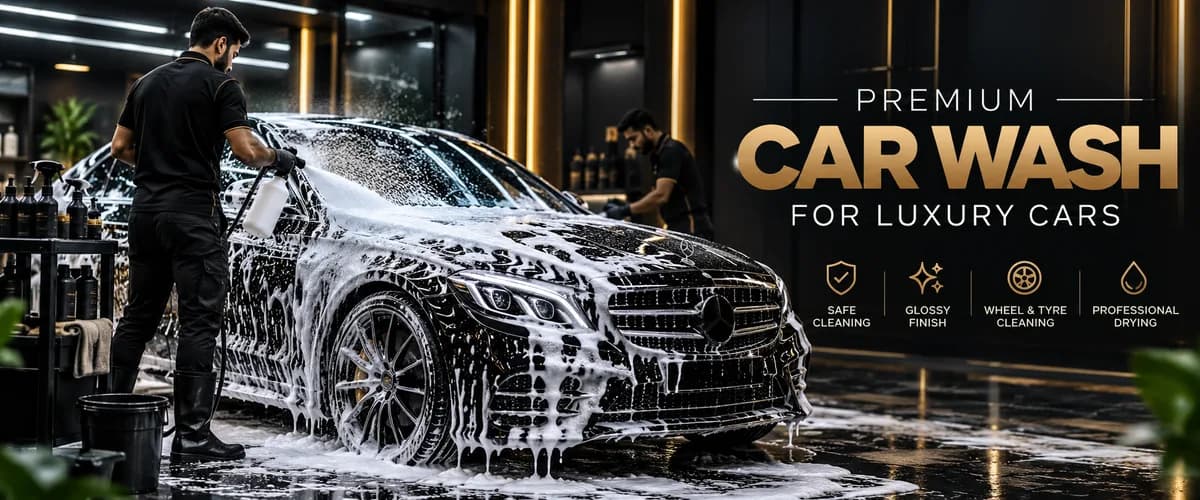
Premium car wash for luxury cars in Ahmedabad, using professional cleaning techniques to safely remove dirt, road grime, and surface contaminants while maintaining a clean, glossy finish.
EXPLORE DETAILS →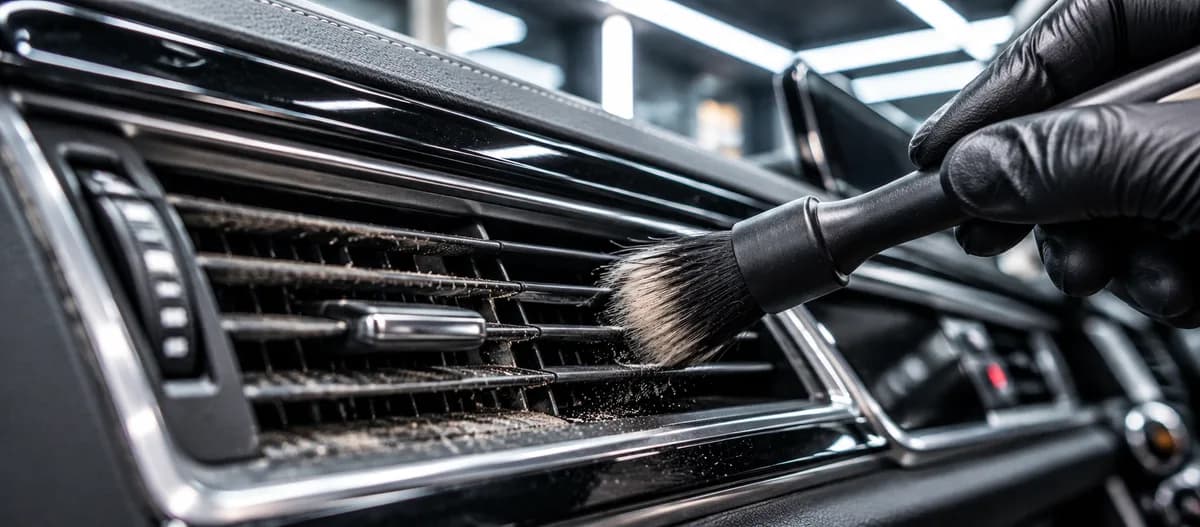
Professional automotive AC duct and vent sanitization treatment designed to purge trapped mildew, fine dust, bacterial colonies, and musty odors from your vehicle's air circulation system.
EXPLORE DETAILS →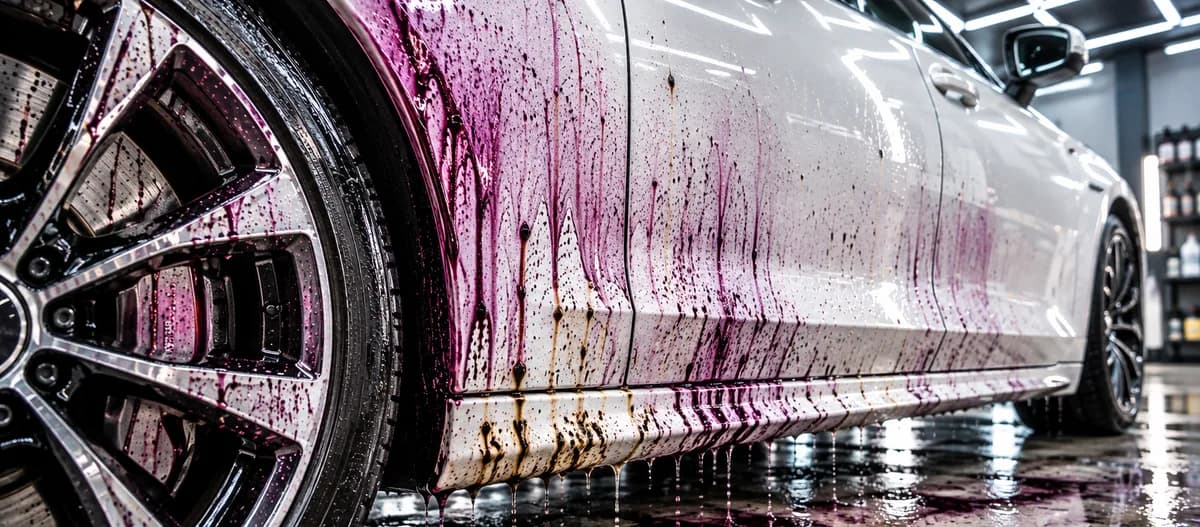
Professional dual-action chemical decontamination service utilizing pH-neutral iron fallout dissolvers and citrus-based tar solvents to eliminate embedded metallic dust and baked road pitch safely without scratching clear coats.
EXPLORE DETAILS →

